

2024 LATAM SBC Report Coinchange
Archived
Originally published April 3, 2025. This page is kept for the record. It describes Coinchange as of that date, and the products, terms and services it mentions may no longer be offered. It is not an offer or a solicitation. Passages that no longer apply have been removed.
Current products: Bitcoin Fund · USD Vault
The views and market figures in this report are those of its authors and of the sources named, as of the date above. They are not a forecast of results.

The report provides an analysis of the LATAM (Latin America) region’s Stablecoin (SBC) market and its growth in 2024. It highlights the role of stablecoins in the region’s economy, adoption trends, regulatory landscape, and potential future developments.
Stablecoins: An Overview
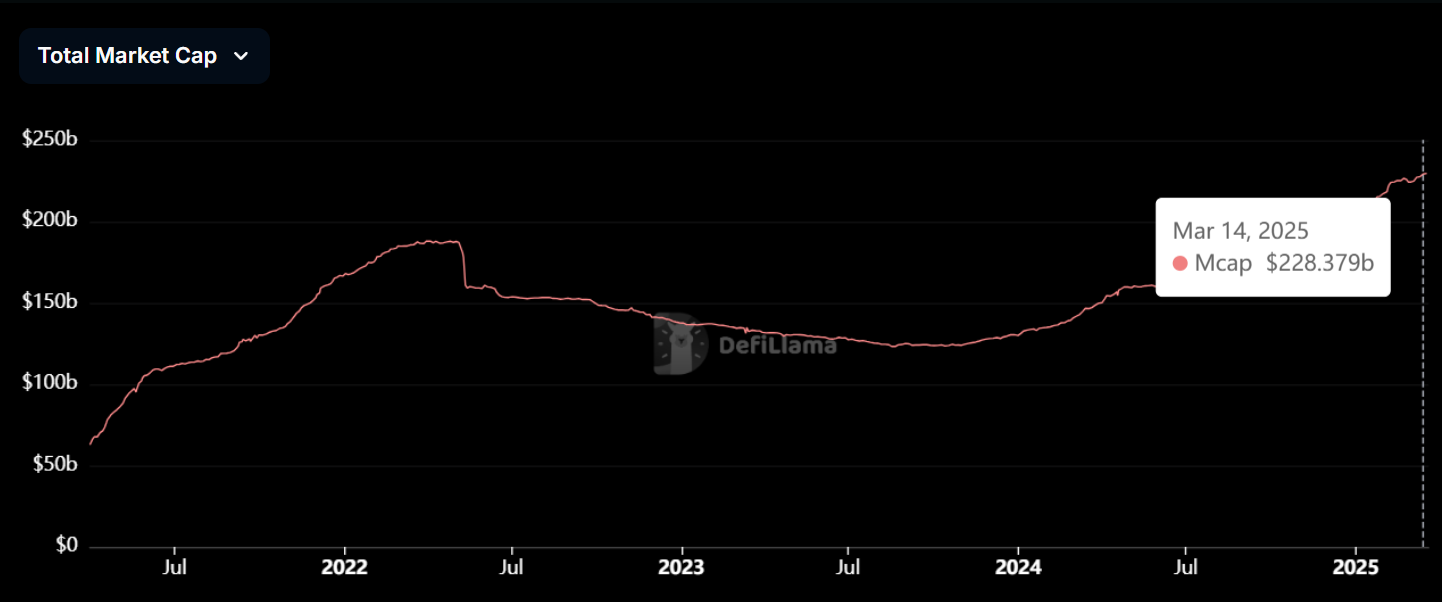
Stablecoins are emerging as a powerful tool in the world of finance. They're digital representations of traditional currencies often issued against U.S. dollars bank deposits. They’ve grown quickly and represent perhaps the most impactful use case of crypto: the global stablecoin supply was about $228 billion on March 14, 2025 (DefiLlama).
But why are stablecoins breaking into the mainstream and not just riding crypto market cycles? The answer lies in their ability to act as a global payment network that can settle quickly, is programmable and can cost less than traditional methods. Major payment companies like Stripe and PayPal have taken notice. By lowering the cost of moving and storing value, stablecoins can create new revenue streams and reduce transaction fees.
In Latin America, consumers and businesses use stablecoins to hold dollar-denominated value; reported use is higher where access to foreign currencies is restricted.
The Problem with Traditional Payments
Traditional payment systems involve multiple middlemen and fees at every step. Consider an average credit card payment:
- Merchants: Pay 2–3% in fees per transaction and wait 1–3 days for settlement.
- Payment Gateways: Charge monthly fees plus about 0.10% per transaction.
- Card Networks: Collect 0.05–0.15%.
- Payment Processors: Take 0.10–0.35%.
- Issuing Banks: Charge steep interchange fees (1.5–2.2%).
- Acquiring Banks: Add another 0.15–0.40%.
Ranges are the report authors' own estimates as of the report date.
All these layers of fees and delays make transactions expensive and slow. Even giants like PayPal or companies like Starbucks have tried to sidestep these costs by creating their own closed-loop systems. Starbucks, for instance, encourages users to load money into their app, allowing them to process payments internally. While this reduces costs, it creates isolated “walled gardens” that don’t talk to each other—your PayPal balance isn’t compatible with your Starbucks account etc.
How Stablecoins Solve These Problems
Stablecoins run on public blockchains, which are open to any participant. Any merchant that accepts a given stablecoin can receive payments directly from consumers who hold the same stablecoin—no layers of middlemen. Another feature of these stablecoins is that they are interoperable. Regardless of the blockchain used by the user or the merchant, as long as the merchant accepts the stablecoin, a single stablecoin balance account can be used across countless merchants.
Stablecoin also provides a direct solution to unbanked people around the world. Stablecoins can also be held by people who do not have a bank account.
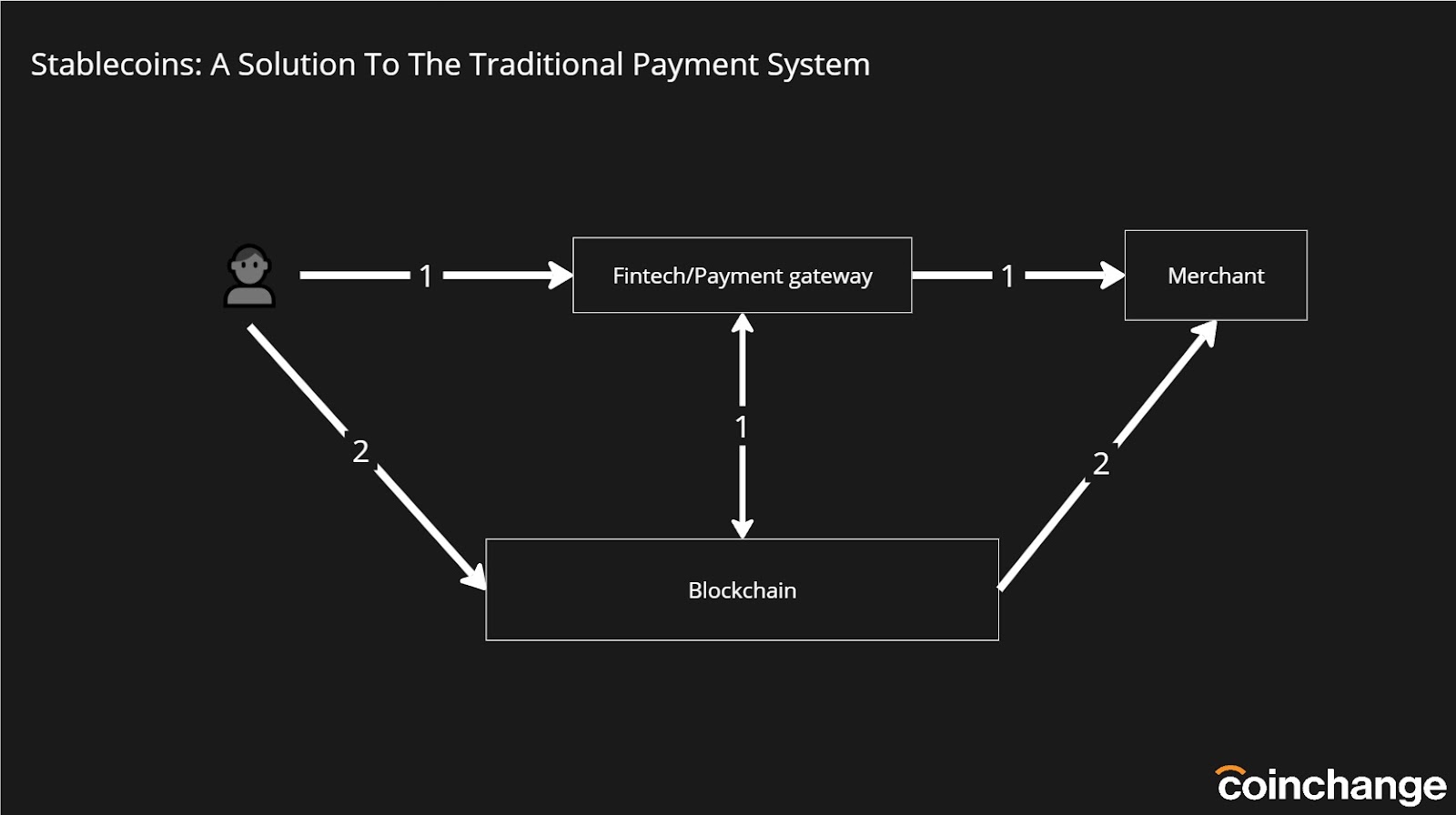
In a high level overview, most users either send stablecoins for payment to a merchant directly using the blockchain (see arrows with 2, below), or they can send the payment via a fintech or payment gateway that the merchant uses as a services provider, simplifying their integration with the blockchain. The fintech will handle the communication and reporting from the blockchain on behalf of the merchant (see arrows with 1).
PayPal launched its own stablecoin, PYUSD.
This path has been followed by several fintechs in Mexico, Argentina, and Brazil, which are developing stablecoin-based payment systems to incorporate this model into the local landscape.
Stablecoin adoption in Latin America
First let’s see why USD denominated stablecoins are such a big deal in Latin America (LATAM). Unstable local currencies, inflation, and limited banking access have driven demand for USD-denominated stablecoins. Their role in cross-border payments and remittances is growing rapidly, providing millions with a faster, cheaper, and more efficient way to move money.
For example, in Argentina, USD banking exists but they impose transaction volume thresholds, and the FX rate is unusually different (aka unfavourable) than the market rate. Local restrictions on foreign currency can prevent businesses to hold a USD balance, hence USD payments you receive are automatically converted into your local currency. This automatic conversion allows banks and remittance providers to easily add hidden fees by offering less favorable exchange rates. By allowing people to hold USD stablecoins, they can choose when to convert and clearly see the exchange rates. The same benefits apply to card payments. Some examples of fintechs operating in the stablecoin space for LATAM include Transfero, DollarApp, FelixPago and Bitso Business. Transfero integrates digital assets into traditional banking structures for cross-border transactions; DollarApp offers payments and savings in stablecoins; FelixPago offers remittance and payment services; Bitso Business offers a cross-border payments platform.
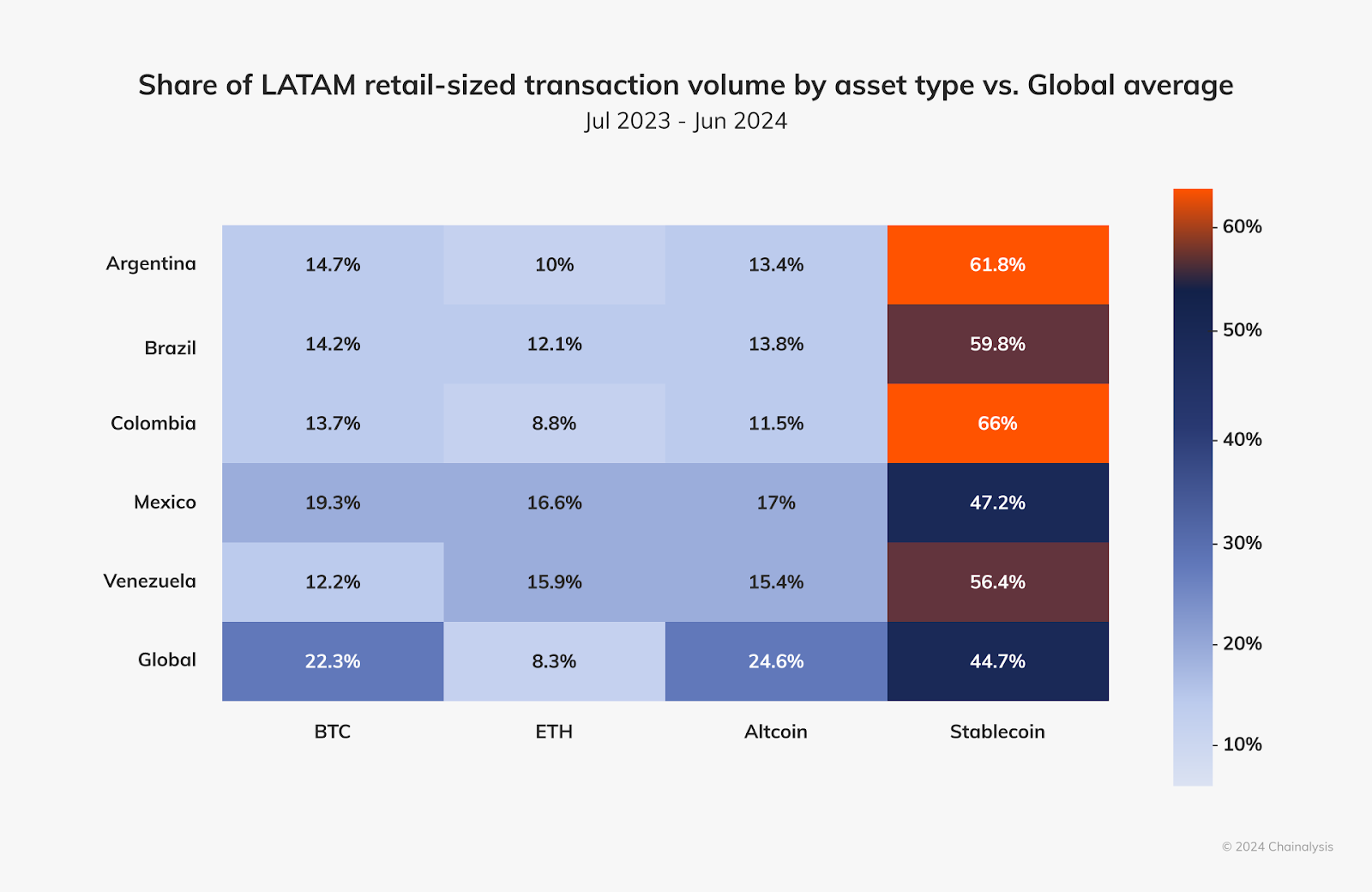
The chart below shows the share of transaction volume by asset type in selected LATAM countries (Chainalysis, July 2023 to June 2024):
According to a report from Bitso, a major crypto exchange in the region, both Bitcoin and stablecoins dominate user portfolios. In 2024, the use of USD stablecoins (USDC and USDT) expanded and accounted for 39% of purchases, representing growth compared to the 30% recorded in 2023. Users treat them as a tool for everyday transactions, remittances, and as a hedge against devaluation of their local currencies against the dollars, in countries such as Brazil and Mexico, and macroeconomic instability in Argentina and Colombia.
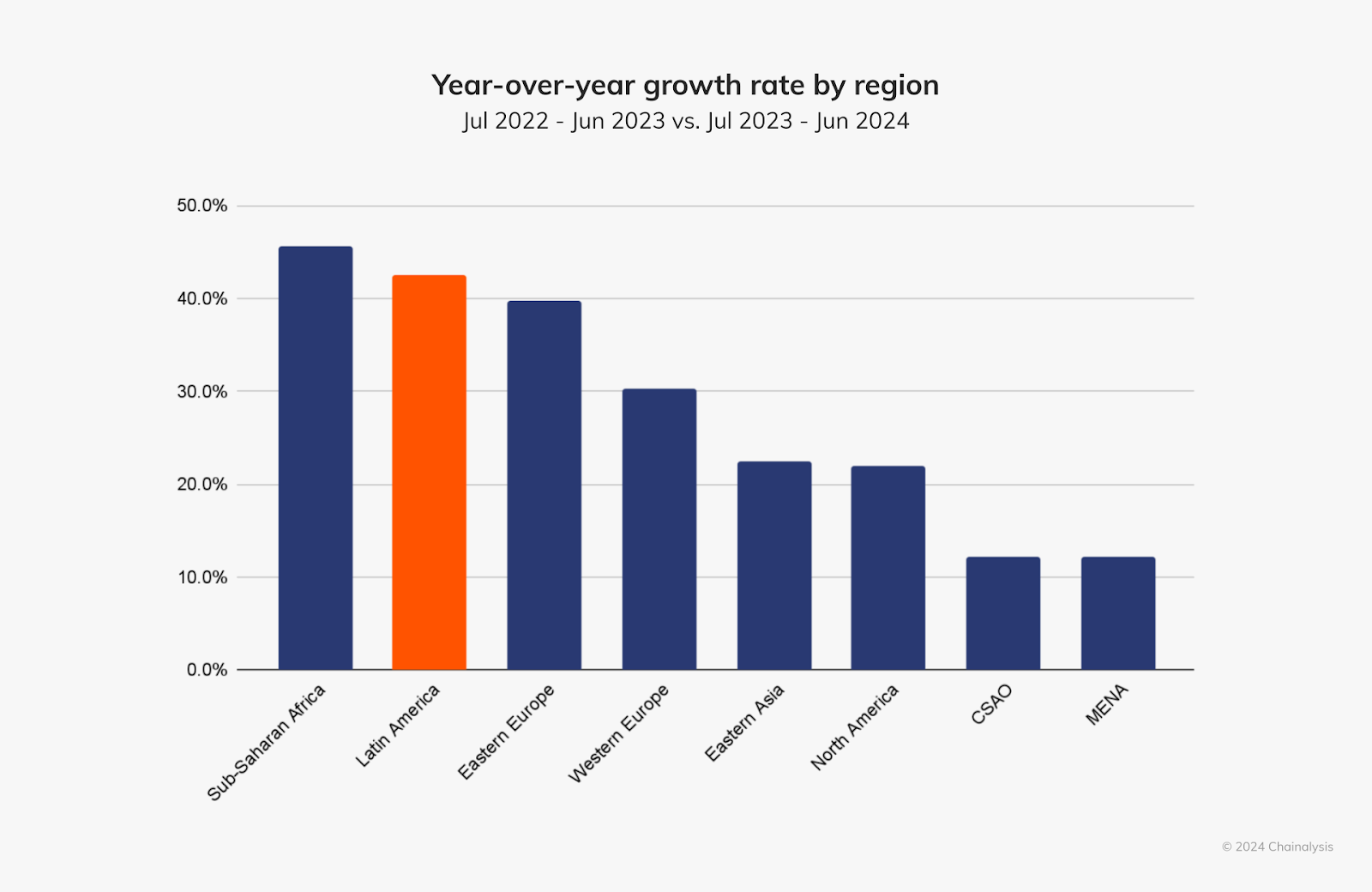
According to Chainalysis, Latin America is the second fastest growing region with a year-over-year (YoY) growth rate of approximately 42.5% for July 2023 to June 2024. If we look at the 2024 Global Adoption Index, of the top 20 countries, 4 are in Latin America: Brazil, Mexico, Venezuela, and Argentina.
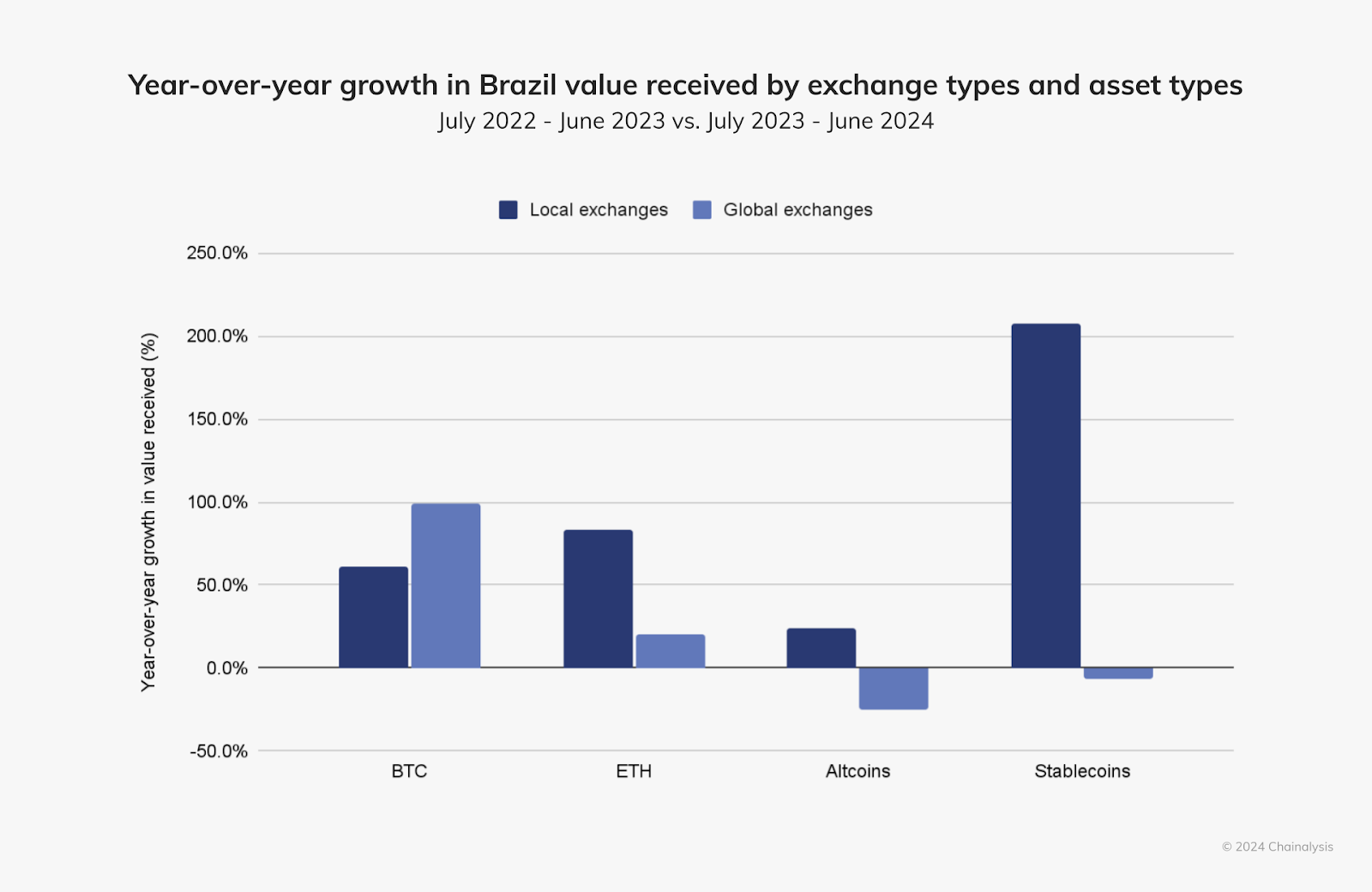
Around 70% of indirect flows from Brazil’s local exchanges to global exchanges involved stablecoins in the 12 months to June 2024 (Chainalysis). Brazil introduced licensing requirements for crypto exchanges.
Another interesting chart is the correlation between the value of Argentine Peso (ARS) and the stablecoin trading volume on one of their exchanges:
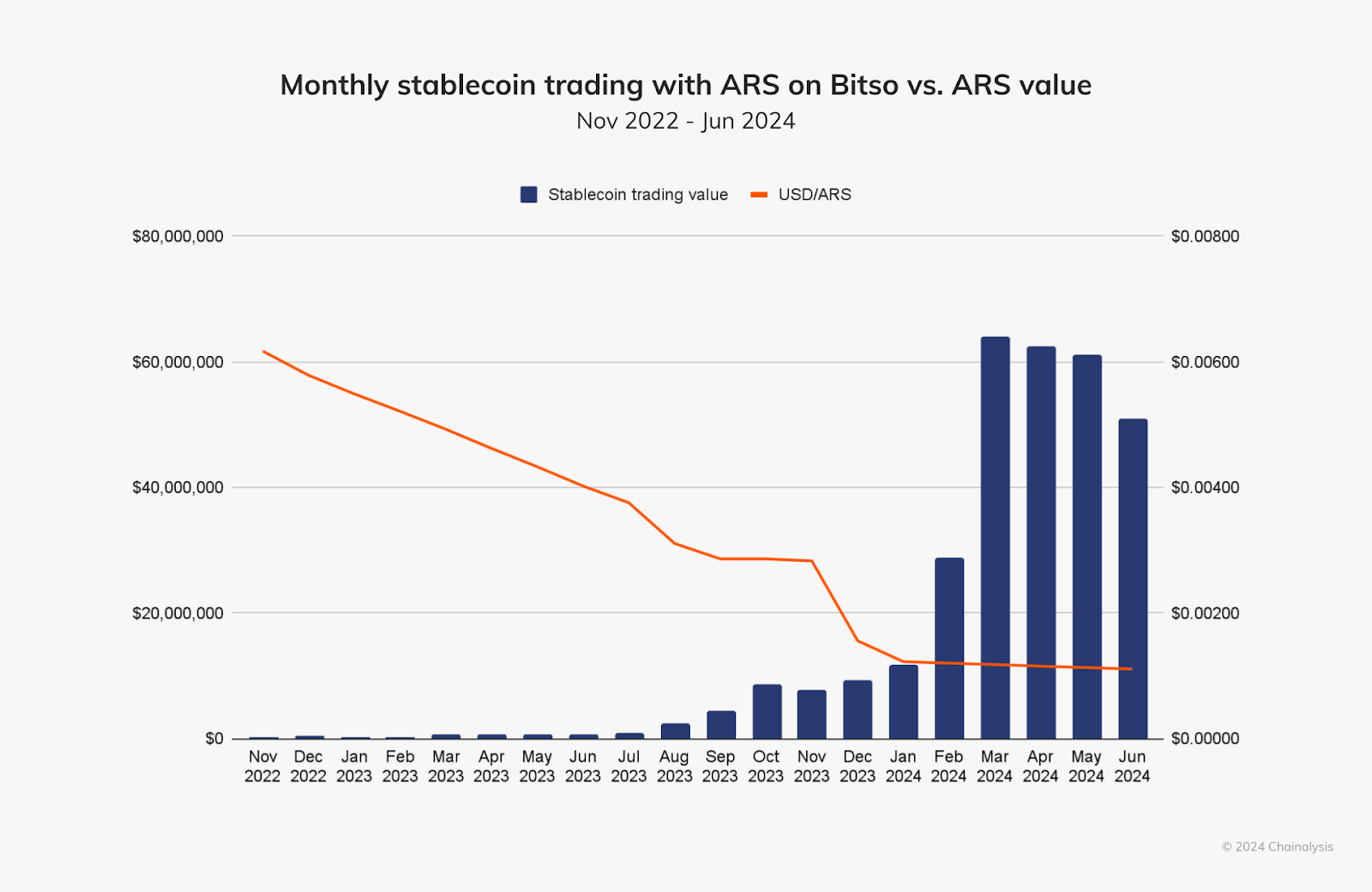
Argentina’s long struggle with inflation and the peso’s steady decline has pushed many to find alternatives. In response, people turned to black market U.S. dollars and USD-pegged stablecoins. Data from Bitso shows that each time the peso weakened, stablecoin trading surged—from over $1 million when the peso fell below $0.004 in July 2023, to over $10 million after it dipped below $0.002 in December 2023. In the 12 months to June 2024 stablecoins made up 61.8% of Argentina’s retail-sized crypto transaction volume (Chainalysis)—one of the highest in Latin America. Venezuela has a similar chart below:
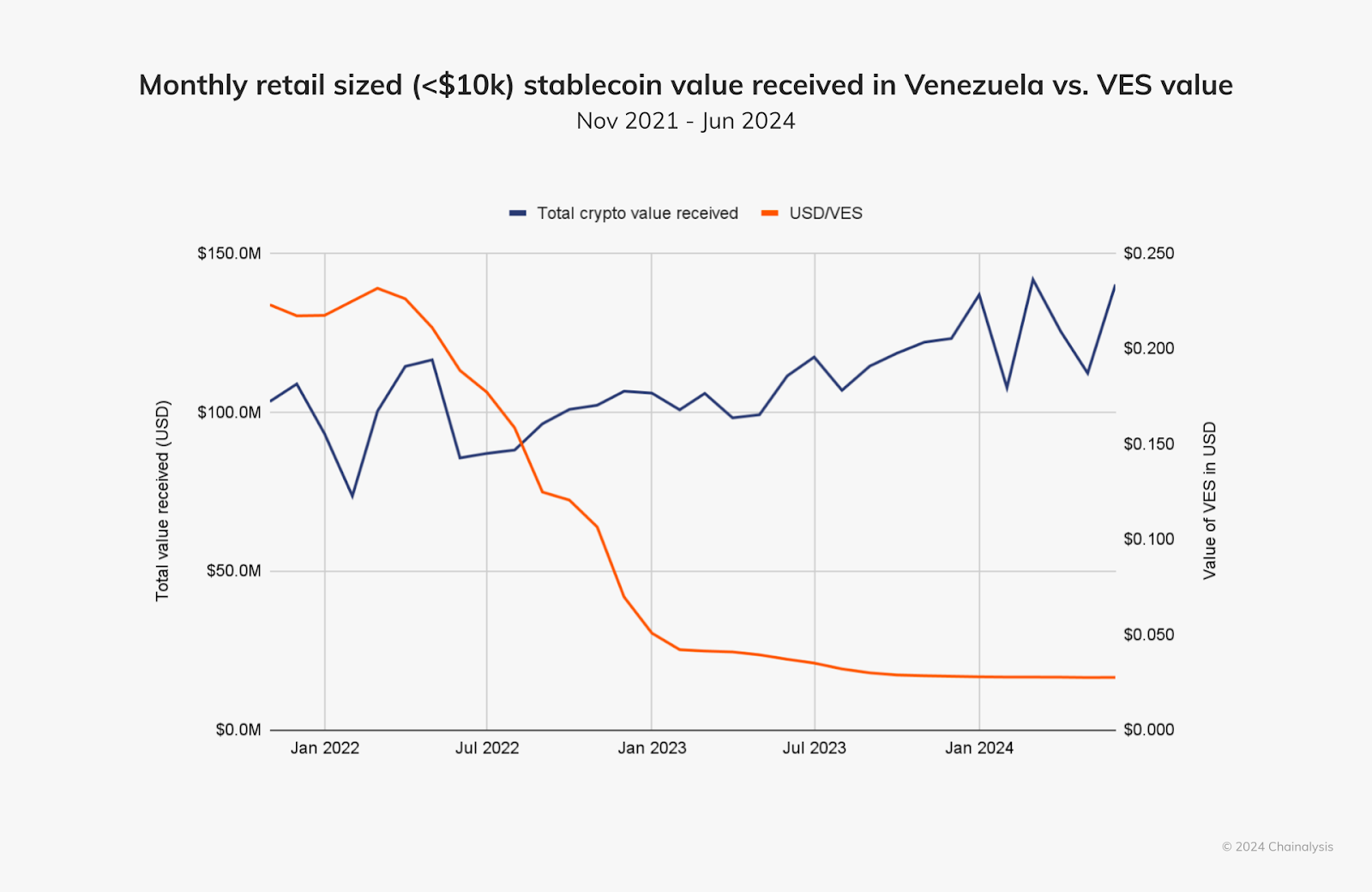
LATAM is a region where stablecoin use has grown. Countries here have faced economic volatility, high inflation, and frequent currency devaluations. Stablecoins linked to stronger currencies, like the U.S. dollar, are designed to track their value. They also offer faster, cheaper ways to send and receive money—crucial in a region where remittance costs are notoriously high.
- Argentina: From young to old generations, use of stablecoins to hold savings in dollar terms has increased.
- Brazil: Many businesses accept stablecoin payments for cross-border transactions.
- Mexico: With a strong remittance market, stablecoins are used for money transfers.
Regulations are evolving, and as stablecoins gain trust and familiarity, the report's authors expected adoption to grow.
Stablecoin use in Venezuela
Venezuela, for example, has faced one of the most severe economic crises in the region, characterized by hyperinflation that reached alarming levels, with a rate exceeding 65,000% in 2018 (Statista). This situation has eroded the purchasing power of citizens and generated widespread distrust in the local currency, the bolívar. Additionally, government-imposed exchange controls have made access to foreign currencies difficult, limiting the ability to save and protect against devaluation.
In this context, stablecoins—cryptocurrencies pegged to the value of strong currencies like the U.S. dollar—have been used by Venezuelans to hold savings in dollar terms and to make daily payments (Chainalysis).
According to data from the analytics firm Chainalysis, Venezuela ranked third globally in cryptocurrency adoption in 2020, with a significant portion attributed to the use of stablecoins.
Stablecoins in Venezuela have also been used for remittances.
Regulation and education
Latin America continues to attract increasing levels of international investment with its expanding business opportunities and dynamic entrepreneurial landscape. According to the Bitso Business study, conducted by PCMI, “From Barriers to Bridges: How Blockchain Can Reshape Cross-Border Payments in Latin America”, the region has emerged as the fastest-growing remittance market.
Despite these growing opportunities, companies face significant challenges when expanding into Latin American markets. On the payments front, many businesses encounter inefficiencies, inadequate infrastructure, and unnecessary costs due to fragmented and incompatible banking systems around the world that make global payments an expensive, slow, and inefficient process. Additional key local obstacles include technological infrastructure, regulatory compliance, security, fraud prevention, and financial inclusion.
The research identifies the main barriers companies face with cross-border payments and analyzes how blockchain technology and stablecoins, by removing intermediaries, are rapidly emerging as an alternative to move money in a faster, cost-efficient, and transparent way.
Two current challenges that need to be overcome refers to regulation and education. Although we still find diverse and inconsistent regulation scenarios across the region, countries like Brazil are advancing on the regulatory clarity, conducting a collaborative regulatory process concerning stablecoins, which the authors expected to support adoption.
Regarding education, industry leaders have been working with institutions and the broad community to overcome skepticism regarding the full potential of blockchain for business.